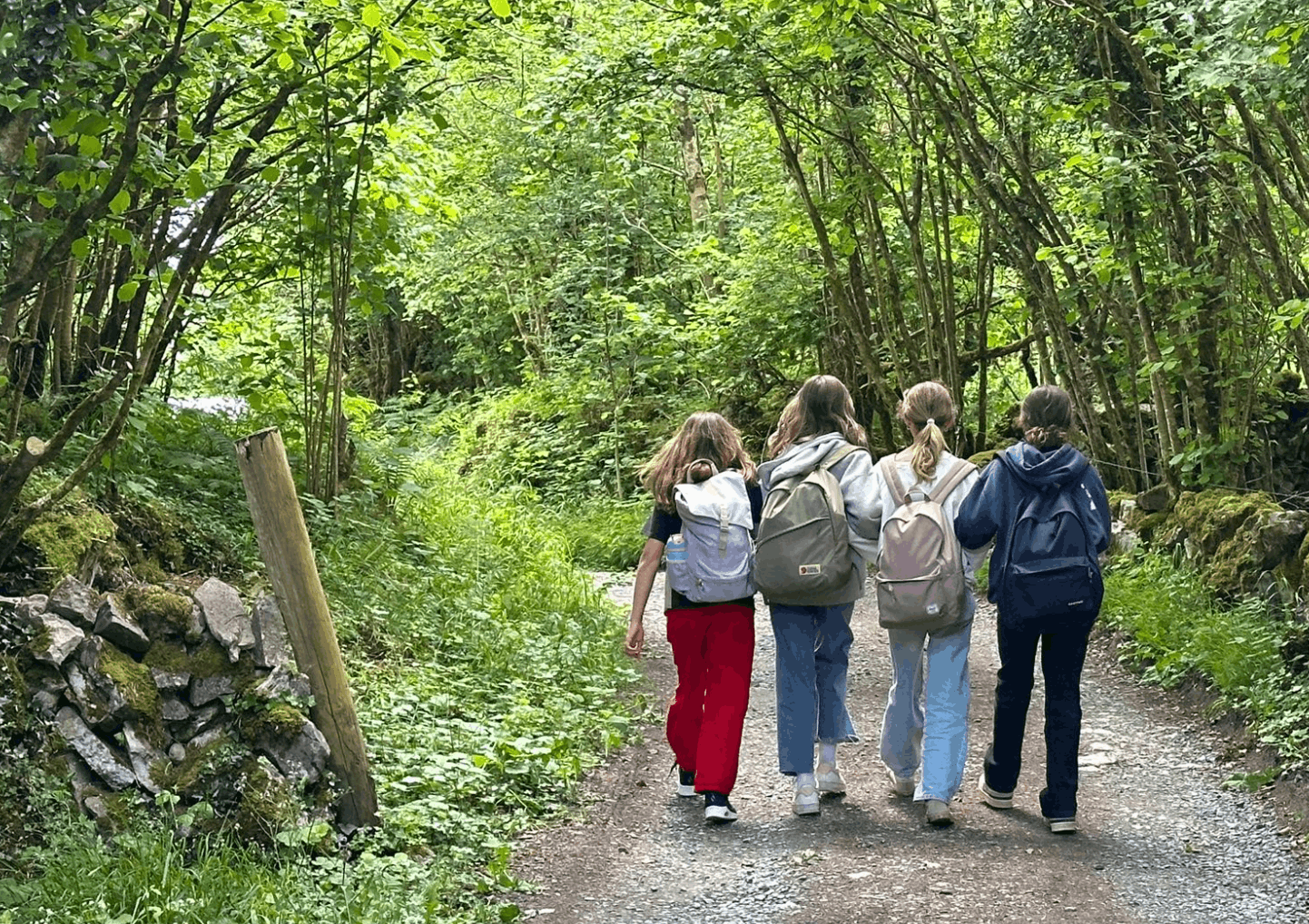
Evolution Explorers : Evolution, wildlife & marine science in the Galapagos Islands!
EVOLUTION EXPLORERS: ECUADOR
WITH EDUCATOR
Led by Lisé Whitfield
TUITION:
• Full Program Tuition: $9,750 per student ($2500 non-refundable deposit)
• Land-Based Program Tuition: $7,350 per student ($1500 non-refundable deposit)
AGE GROUP:
• 8–14 years old
PERFECT FOR:
Perfect for curious students aged 8–14 who love wildlife, the ocean, and hands-on science, and who are excited to explore one of the world's most remarkable natural laboratories
-
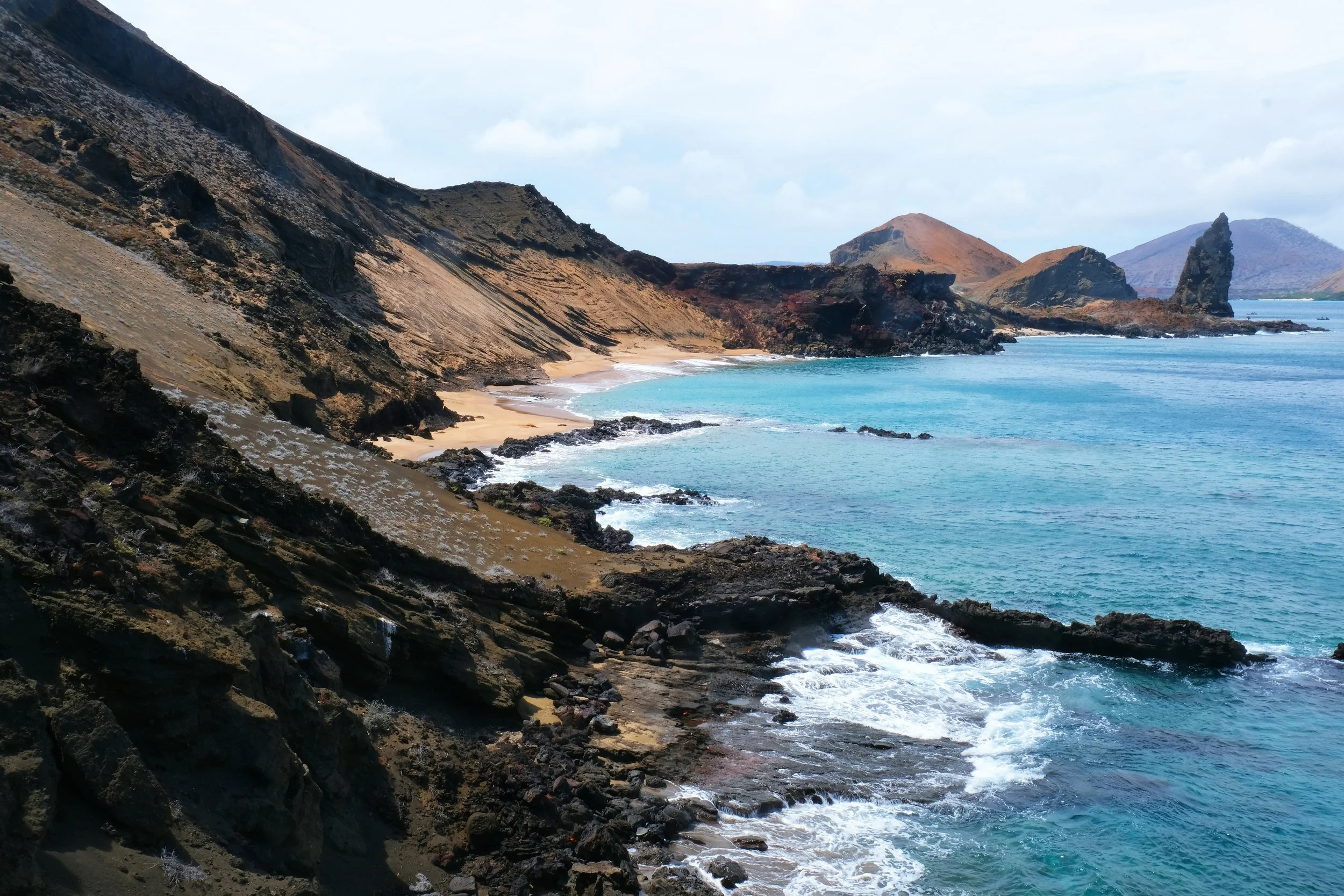
Set in the Galápagos Islands—one of the world's most extraordinary natural laboratories—Evolution Explorers is an immersive, place-based learning adventure exploring evolution, ecology, geology, marine biology, and conservation.
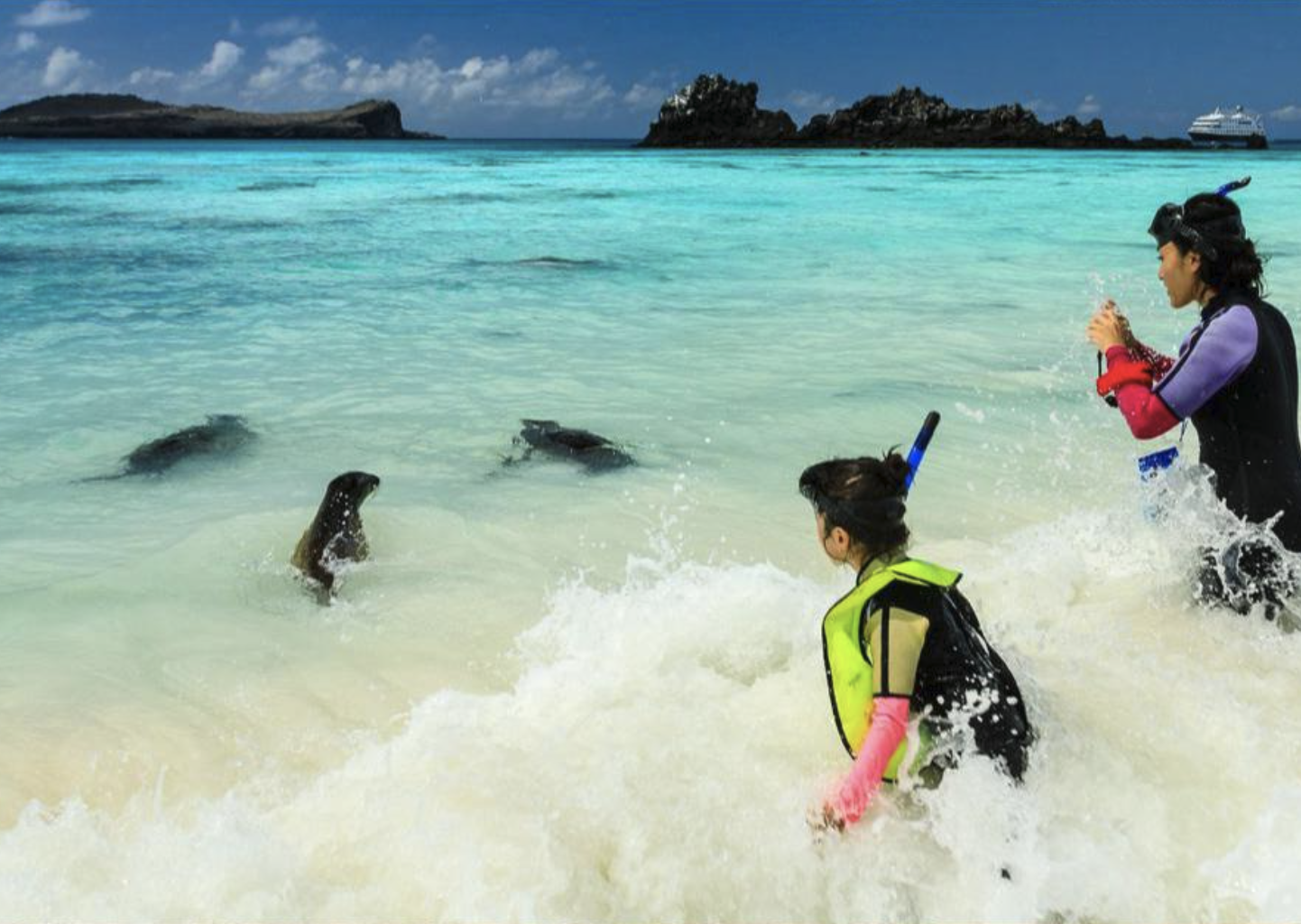
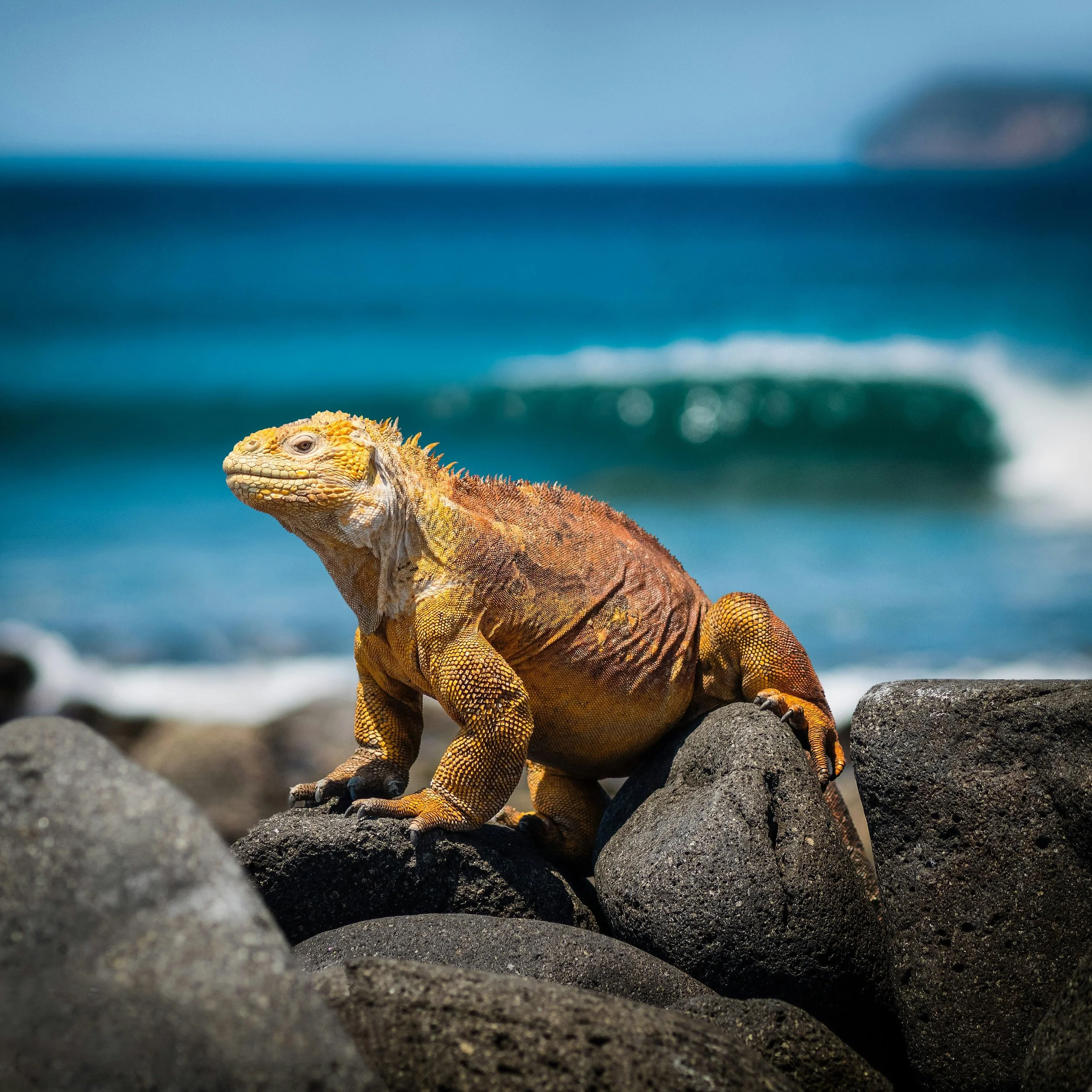
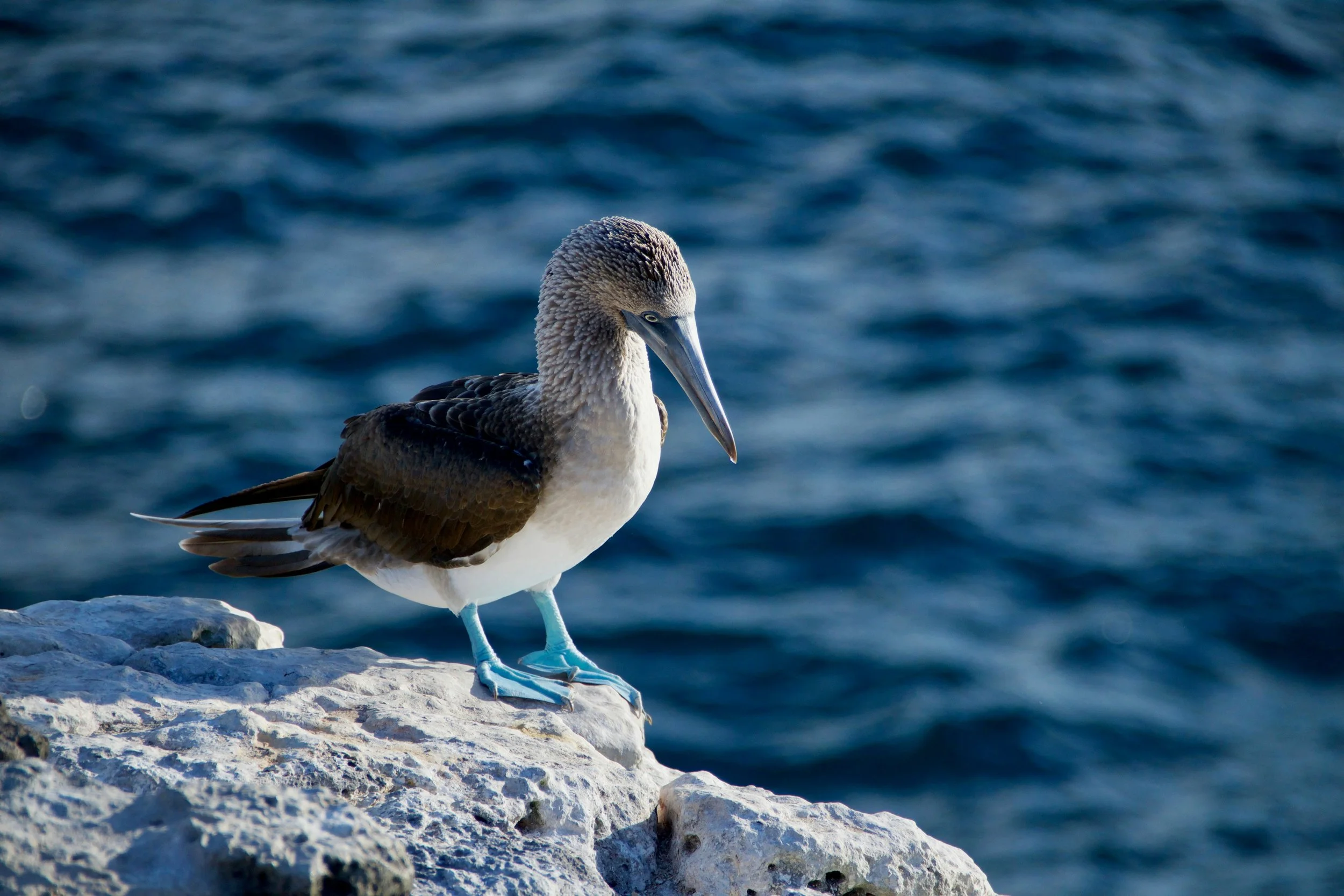
Students investigate these ideas in the places where they can actually see them unfolding: among giant tortoises, marine iguanas, sea lions, endemic birds, volcanic landscapes, coral communities, and dramatically different island ecosystems.
The Full Program begins with an extraordinary 4-day/3-night expedition aboard the privately chartered Nemo III sailing catamaran, followed by our WorldWise land-based program on Santa Cruz, Isabela, and San Cristóbal.
Through snorkeling, hiking, wildlife observation, conservation work, sailing, kayaking, scientific field investigations, and focused academic learning, students explore questions such as:
Why do closely related organisms differ from island to island? How does isolation drive evolutionary change? How does volcanic geology create new habitats? Why are island ecosystems particularly vulnerable to introduced species? And what can humans do to protect these extraordinary places?
Throughout the adventure, students maintain scientific field journals in which they record observations, sketches, data, questions, explanations, and discoveries.
-
Evolution & Natural Selection
Students investigate variation, adaptation, natural selection, speciation, and the evidence scientists use to understand evolutionary change.
Island Ecology
We examine relationships among organisms and their environments and explore why islands provide such powerful opportunities for studying ecology and evolution.
Marine Biology
Snorkeling, marine fieldwork, and conservation experiences introduce students to Galápagos marine ecosystems and the extraordinary organisms that inhabit them.
Geology & Volcanology
The Galápagos are young volcanic islands formed above a geological hotspot. Students investigate how the islands formed, how they change over time, and how geology influences the organisms able to live there.
Conservation
Students encounter both the extraordinary biodiversity of the Galápagos and the challenges of protecting it, including invasive species, plastics, tourism, climate pressures, and human settlement.
Scientific Fieldwork
Observation, questioning, evidence collection, field journaling, data interpretation, and scientific communication are woven throughout the program.
-
Evolution Explorers does not divide neatly into "classroom days" and "field days."
Some days begin with focused academic learning and move into field investigation. Others begin outdoors and return to a learning space so students can analyze observations, connect evidence to scientific ideas, and develop explanations.
Students may find themselves studying adaptation while snorkeling, discussing natural selection after observing tortoises, investigating invasive species alongside conservationists, or drawing geological cross-sections after walking across volcanic terrain.
The goal is not simply to visit the Galápagos. It is to use the Galápagos as our classroom.
-
The expedition culminates in a naturalist's field-journal showcase, where students share observations, data, illustrations, questions, and discoveries gathered across the islands.
-
Full Evolution Explorers Program — $9,750/student
February 18 – March 18, 2027
Full WorldWise educational program on scheduled learning days
4-day/3-night private Nemo III liveaboard expedition
Cabin accommodations and all meals/snacks aboard Nemo
Certified Galápagos Naturalist Guide and guided excursions
Snorkeling equipment and included onboard marine activities
Quito → Baltra flight associated with the Nemo package
San Cristóbal → Quito flight following the program
Transit Control Card
Wetsuit rental and onboard internet
All scheduled WorldWise educational field experiences and activities on Santa Cruz, Isabela, and San Cristóbal
Approximately 2 hours/week of Spanish instruction during instructional weeks
Approximately 2 hours/week of individualized or small-group math instruction during instructional weeks
Instructional materials and scientific field journal
Tuition: $9,750
Non-refundable enrollment deposit: $2,500, applied toward tuition. If WorldWise cancels the program because minimum enrollment is not reached, the deposit will be refunded.
Land-Based Evolution Explorers — $7,350/student
March 1 – March 18, 2027
Full WorldWise educational program from March 1–18
All scheduled WorldWise educational field experiences and activities on Santa Cruz, Isabela, and San Cristóbal
Spanish instruction
Individualized or small-group math instruction
Instructional materials and scientific field journal
Tuition: $7,350
Non-refundable enrollment deposit: $1,500, applied toward tuition. If WorldWise cancels the program because minimum enrollment is not reached, the deposit will be refunded.
Land-based tuition does not include the Nemo III expedition, the associated Quito–Baltra/San Cristóbal–Quito flight package, or transportation to or between the islands.
Accompanying Parent & Sibling Nemo Package — $3,950/person
For Full Program students, at least one parent or guardian must accompany the student aboard Nemo III.
The family Nemo package includes:
4-day/3-night Nemo III expedition
Cabin accommodations
All meals and snacks aboard
Naturalist-guided excursions
Snorkeling equipment and included onboard activities
Quito → Baltra flight
San Cristóbal → Quito flight
Transit Control Card
Wetsuit rental and onboard internet
$3,950 per participating parent or sibling, due in full at enrollment and contract signing.
Additional family members are welcome subject to availability. Cabins and berths are first-come, first-served.
-
Unless specifically identified as included above, tuition does not include:
Family accommodations during the land-based portion
Meals during the land-based portion except when specifically included in a scheduled activity
Santa Cruz → Isabela transportation
Isabela → San Cristóbal transportation
Parent or sibling participation in land-based excursions unless specifically included
Galápagos National Park entrance fee
International travel to/from Ecuador
Family activities during family/free days
Travel insurance
Tips and gratuities
Personal expenses
THE JOURNEY
-
WorldWise has privately chartered the Nemo III sailing catamaran for two consecutive 4-day/3-night expeditions.
Nemo III accommodates a maximum of 16 passengers in eight cabins, allowing us to create a small, private expedition for WorldWise students and their families.
Group 1 — February 18–21
February 18: Baltra – Charles Darwin Station
February 19: South Plaza – Santa Fe
February 20: Bartolomé – Chinese Hat
February 21: Daphne Mayor – Baltra
Group 2 — February 21–24
February 21: Baltra – Bachas Beach
February 22: Genovesa – El Barranco & Darwin Bay
February 23: Santiago – Sullivan Bay & Rábida
February 24: Santa Cruz Highlands – Baltra
Students participating in Nemo will be assigned to one of the two departures.
Lisé will accompany students aboard both Nemo expeditions.
While one group is aboard Nemo, students assigned to the other sailing will have independent family days on Santa Cruz. There will be no separate WorldWise instruction on land while Lisé is aboard Nemo.
Following the two Nemo expeditions, families will have additional independent time on Santa Cruz.
The entire student cohort comes together for WorldWise instruction on Monday, March 1.
Families can view the boat, common spaces, and cabin configurations here: Nemo III 360° Virtual Tour & Cabins
-
Families stay in Puerto Ayora.
Santa Cruz establishes the academic foundation for the remainder of our adventure, combining focused learning with field investigations.
Planned experiences include:
Evolution and conservation learning connected with the Charles Darwin Research Station
Invasive species investigation
Microplastics and marine conservation
Sailing
Kayaking
Giant tortoises and highland ecology
Spanish instruction
Math
Scientific field journaling
March 1–4: WorldWise learning days
March 5: Family/free day
March 6: Transfer to Isabela
-
Families stay in Puerto Villamil.
Our Isabela week focuses particularly on volcanology, marine ecology, evolution, and hands-on conservation.
Students will spend approximately 2.5 days working with Reef Revival, learning about marine ecosystems and active conservation/restoration work.
Additional experiences are planned around Isabela's extraordinary volcanic landscapes and marine environments, including volcano exploration and snorkeling.
March 6: Transfer Santa Cruz → Isabela
March 7: Family/free day
March 8–11: WorldWise learning days
March 12: Family/free day
March 13: Transfer to San Cristóbal
-
Families stay in Puerto Baquerizo Moreno.
Our final week brings together the ideas and evidence students have gathered throughout the islands.
Students investigate marine and terrestrial ecosystems while synthesizing their understanding of evolution, ecology, geology, human impacts, and conservation.
March 13: Arrive San Cristóbal
March 14: Family/free day
March 15–18: WorldWise learning days
March 18: Final program day
Families may depart San Cristóbal beginning Friday, March 19.
-
Approximately two hours of Spanish instruction and two hours of individualized or small-group math instruction are incorporated into instructional weeks.
Math instruction allows students to continue working at an appropriate level while traveling. Spanish provides students with opportunities to develop practical language skills while living and learning in Ecuador.
-
Every student participating in the Nemo expedition must have at least one parent or guardian aboard their assigned sailing. Students may not participate in the liveaboard independently.
Additional parents and siblings are warmly welcome, subject to available berths and cabin configurations.
Nemo III has only eight cabins on each sailing, with a combination of double and family configurations.
Cabins and additional family berths are first-come, first-served.
Cabin assignments will take family size and cabin configuration into consideration. Families with particular cabin needs—or families hoping to bring siblings or a second parent—should enroll early.
WorldWise will divide participating families between the February 18–21 and February 21–24 departures. Family size, available cabin configurations, and overall group balance will be considered when assigning departures.
FAMILY ACCOMMODATION
Families arrange and pay for their own accommodations during the land-based portions of Evolution Explorers.
This allows families to choose accommodations appropriate to their family size, preferences, and budget.
-
Full Program families will receive arrival guidance based on their assigned Nemo sailing.
Land-Based Program families should be settled on Santa Cruz in time for the first instructional day on March 1.
All families remain on Santa Cruz through March 6.
-
March 6–13
-
March 13–19
WorldWise will provide enrolled families with meeting locations and accommodation guidance.
TRANSPORTATION
-
Families should plan to arrive before 18 February so students and their accompanying parent/guardian are ready to board the liveaboard expedition on 18 February.
The liveaboard package is expected to include mainland–Galápagos flights for passengers participating in the cruise. Our anticipated routing is Quito → Baltra, with the return San Cristóbal → Quito after the program. Final routing will be confirmed before families book travel.
-
Families arrange and pay for their own transportation between islands during the land-based portion of the adventure.
March 6: Santa Cruz → Isabela
-
March 13: Isabela → San Cristóbal
We have intentionally structured these as family bookings so students can travel with their parents and siblings rather than WorldWise purchasing separate student tickets.
WorldWise will provide enrolled families with the required travel dates, recommended ferry/flight options, and booking links well in advance.
-
Families may depart San Cristóbal beginning Friday, March 19.
FAQs ABOUT THE EVOLUTION EXPLORERS LEARNING ADVENTURE
-
There are two enrollment options:
Full Evolution Explorers Program: February 18 – March 18, 2027
Land-Based Evolution Explorers Program: March 1 – March 18, 2027
The final WorldWise instructional day is March 18. Families may depart San Cristóbal beginning March 19.
-
Evolution Explorers is designed for students ages 8–14.
-
No.
A limited number of places may be available in the March 1–18 Land-Based Program for $7,350/student.
Because WorldWise is privately chartering Nemo III, Full Program enrollment receives priority. Land-Based Program places will be confirmed only after sufficient Nemo participation has been secured for the Full Program to operate.
-
Yes.
Every student participating in Nemo must have at least one parent or guardian aboard their assigned sailing. Students cannot participate in the liveaboard independently.
-
Yes, subject to availability.
Additional family members may participate for $3,950 per person.
Because each Nemo sailing accommodates only 16 passengers, additional family berths and cabin configurations are first-come, first-served.
The full $3,950 payment and signed contract are required to secure each additional berth.
-
Nemo III has eight cabins per departure, with a combination of double and family configurations.
Cabins are assigned according to family configuration and enrollment order. Families with particular cabin needs—or those hoping to bring siblings or a second parent—should enroll early.
-
WorldWise will divide participating families between the February 18–21 and February 21–24 departures.
Family size, available cabin configurations, and overall group balance will be considered when assigning departures.
-
Yes. Lisé will accompany students aboard both Nemo expeditions.
-
Students who are not on their assigned Nemo sailing will have independent family days on Santa Cruz.
Because Lisé accompanies both Nemo expeditions, there is no separate WorldWise instructional program on land during this period.
The entire student cohort comes together for WorldWise instruction on Monday, March 1.
-
The Land-Based Evolution Explorers Program runs March 1–18, 2027.
Families should be settled on Santa Cruz in time for the first instructional day on Monday, March 1.
The program concludes on San Cristóbal on Thursday, March 18.
-
The package includes the 4-day/3-night Nemo III expedition, cabin accommodations, meals and snacks aboard, naturalist-guided excursions, included snorkeling equipment and activities, Quito → Baltra flight, San Cristóbal → Quito flight, Transit Control Card, wetsuit rental, and onboard internet.
The Galápagos National Park entrance fee is not included.
-
No.
Families choose and book their own accommodations on Santa Cruz, Isabela, and San Cristóbal.
Student accommodations aboard Nemo are included in Full Program student tuition.
-
Meals and snacks aboard Nemo III are included.
During the land-based program, families generally provide their own meals unless a meal is specifically included in a scheduled WorldWise activity.
-
No.
Families arrange and pay for their own Santa Cruz → Isabela transportation on March 6 and Isabela → San Cristóbal transportation on March 13.
WorldWise will provide the required travel dates, recommended options, and booking links so families can coordinate their family reservations.
-
The WorldWise educational program is designed primarily for enrolled students.
Parents and siblings may sometimes be able to join particular field experiences when appropriate and when space permits, but families should not expect to participate in all student activities.
Designated family/free days provide time for families to explore together.
-
The Galápagos Islands lie in the open Pacific Ocean, and sea conditions can sometimes be rough. This applies not only to Nemo but also to ferries and other boat-based activities during the adventure.
Families should come prepared for motion sickness even if they do not ordinarily experience it.
We strongly recommend bringing a motion-sickness medication or other remedy that you already know works well for you and your child, with enough for the entire trip. Because particular medications may be difficult to obtain locally, families should bring appropriate supplies from their home country rather than relying on purchasing them after arrival.
Families should consult their own healthcare professional about appropriate medication for individual family members.
-
For the Full Program, a $2,500 non-refundable deposit per student is due at enrollment and contract signing.
For the Land-Based Program, a $1,500 non-refundable deposit per student is due at enrollment and contract signing.
Deposits are applied toward tuition.
If a family withdraws, the deposit is non-refundable. If WorldWise cancels Evolution Explorers because minimum enrollment is not reached, the deposit will be refunded.
-
The $3,950 Nemo package is due in full at enrollment and contract signing for each accompanying parent or sibling.
A berth is not secured until the signed agreement and full payment have been received.
If a family withdraws, the payment is non-refundable according to the enrollment agreement. If WorldWise cancels Evolution Explorers because minimum enrollment is not reached, the payment will be refunded.
-
Evolution Explorers requires at least 12 Full Program students participating in Nemo to operate as planned.
The maximum student cohort is 14 students.
Land-Based Program students do not count toward the 12-student Nemo minimum.
-
Please wait until WorldWise confirms that minimum enrollment has been reached and provides detailed travel instructions before purchasing non-refundable travel.
Full Program families should not independently book the Quito → Baltra or San Cristóbal → Quito flights included in the Nemo package.
WorldWise will provide specific guidance and booking options for the March 6 Santa Cruz → Isabela and March 13 Isabela → San Cristóbal transfers.
-
Students should be comfortable in and around water. A significant portion of the Galápagos experience involves boats, beaches, snorkeling, and marine environments.
Families should discuss concerns about swimming ability or water confidence with WorldWise before enrolling.
-
WorldWise will provide enrolled families with a detailed packing and field-equipment list before the adventure.
Students should expect to bring comfortable field clothing, sun and rain protection, appropriate footwear, a daypack, reusable water bottle, and other basic field supplies.
Because of the amount of time spent on and around the water, the packing guidance will include equipment appropriate for snorkeling, boating, wet conditions, and scientific fieldwork.
We have answered the most commonly asked questions about our Learning Adventures. You can take a look at them here.