Our next adventure heads to the wild Pacific coast of Costa Rica - Anatomy Adventurers is now accepting explorers!
ANATOMY ADVENTURERS: COSTA RICA
WITH EDUCATOR
JUNIOR TEACHING ASSISTANT
COST PER STUDENT:
$3,750 (US$650 non-refundable deposit)
AGE GROUP:
• 9–14 years old
PERFECT FOR:
Perfect for curious students aged 9–14 who are fascinated by the human body, animals, and the natural world, and who love hands-on, science-based discovery.
-
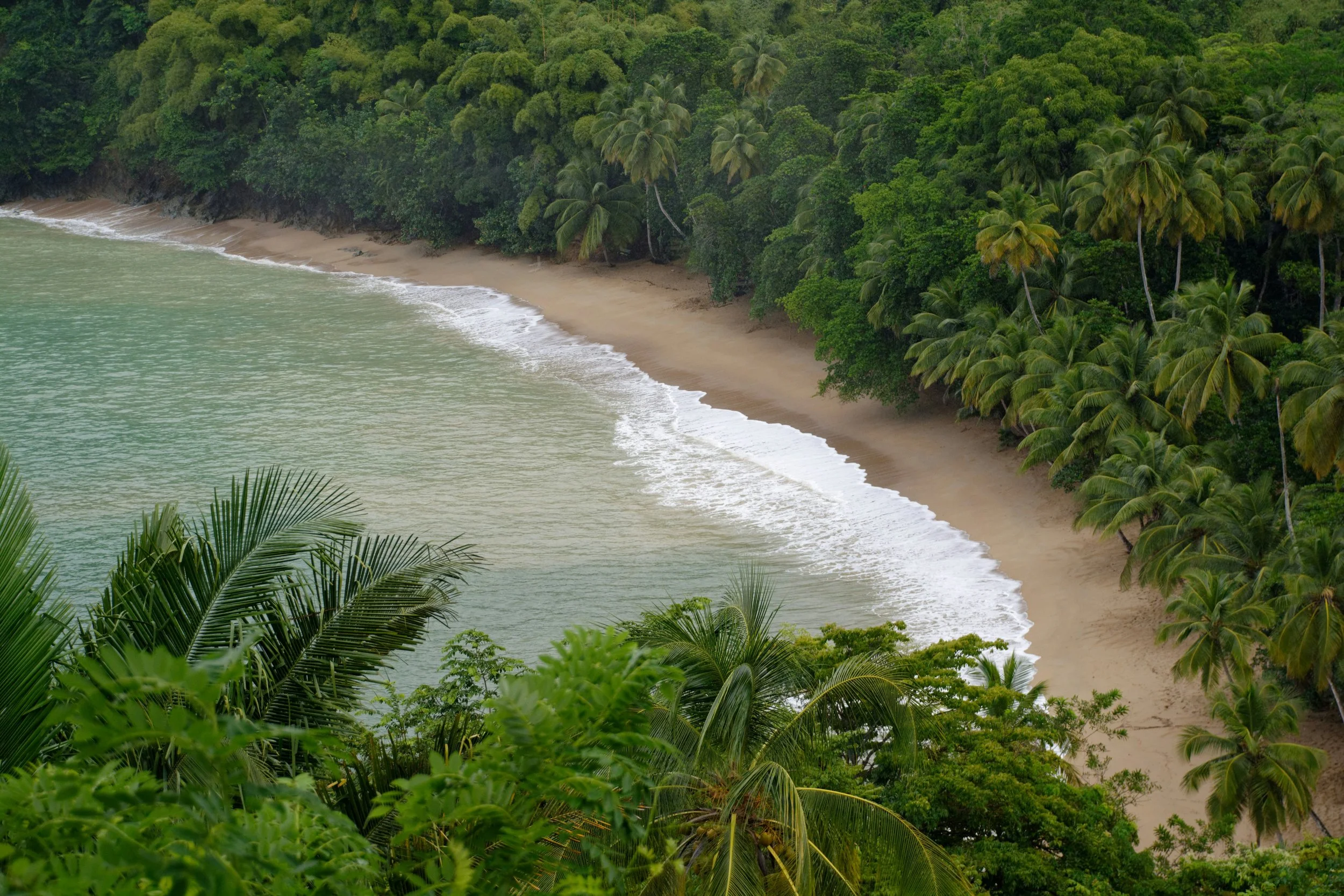
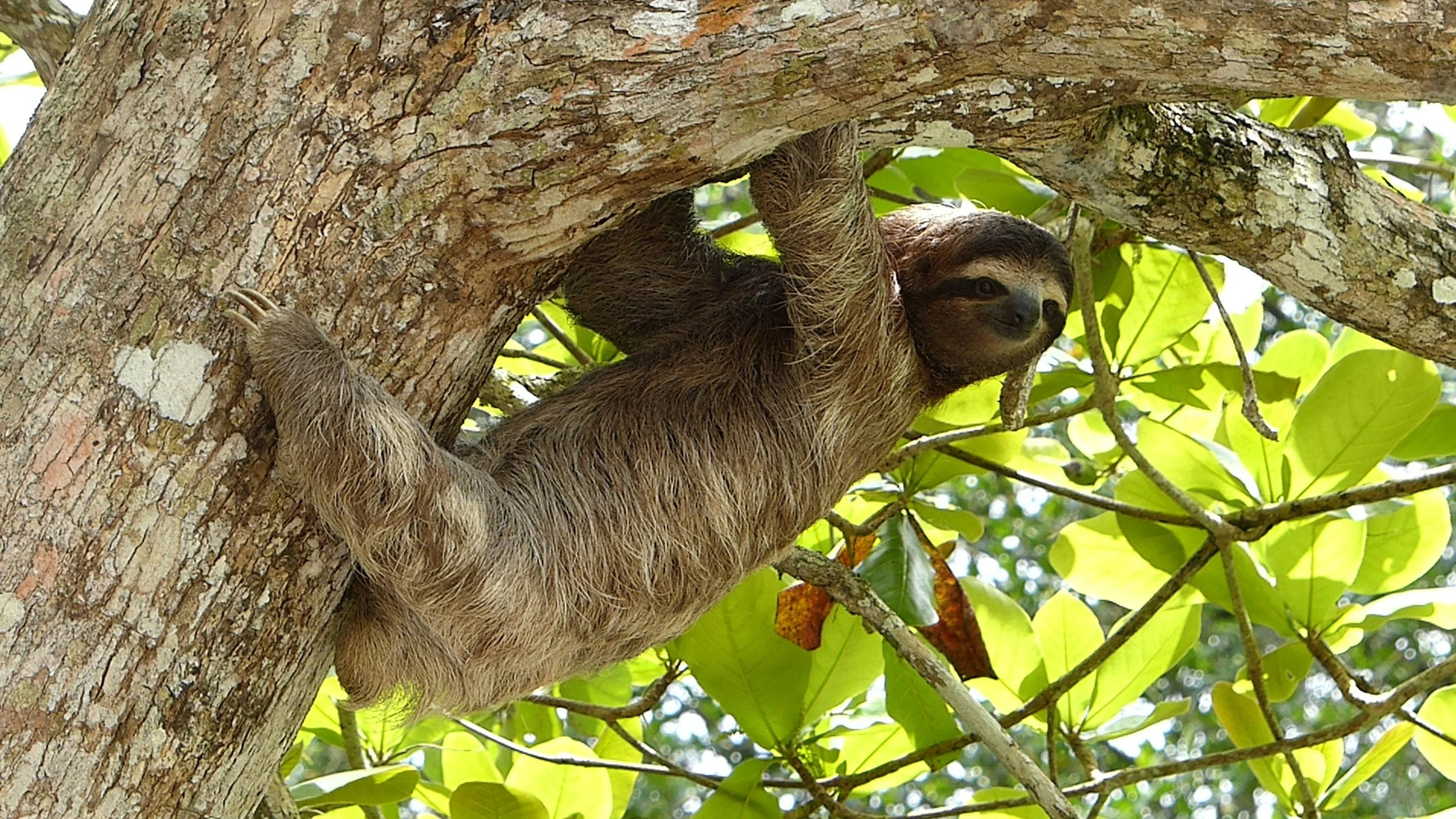
You're paddling into your first Pacific wave. Your heart pounds, your lungs fill with salty ocean air, your shoulders pull powerfully through the water, and every tiny adjustment in your muscles helps you rise to your feet. Later that afternoon, you're watching a spider monkey swing effortlessly through the rainforest canopy. How can its shoulders rotate so differently from yours? Why can a sloth hang upside down for hours without tiring? What can Costa Rica's incredible wildlife teach us about the remarkable design of our own bodies?
Set among Costa Rica's remarkable forests, beaches, rivers, and wildlife, Anatomy Adventurers is a five-week, place-based learning journey exploring the incredible design of the human body through comparative anatomy, scientific illustration, movement, and health science.
Students investigate each major body system through hands-on activities, scientific drawing, movement practices, and encounters with Costa Rica's extraordinary biodiversity. Throughout the month they compare human anatomy with monkeys, sloths, sea turtles, frogs, crocodiles, birds, insects, and many other species to discover how evolution has shaped different bodies to solve similar challenges.
Scientific illustration forms a central part of the learning experience: students learn to observe carefully and communicate their understanding through drawing and painting, discovering how art has long been an essential tool for naturalists and field scientists.
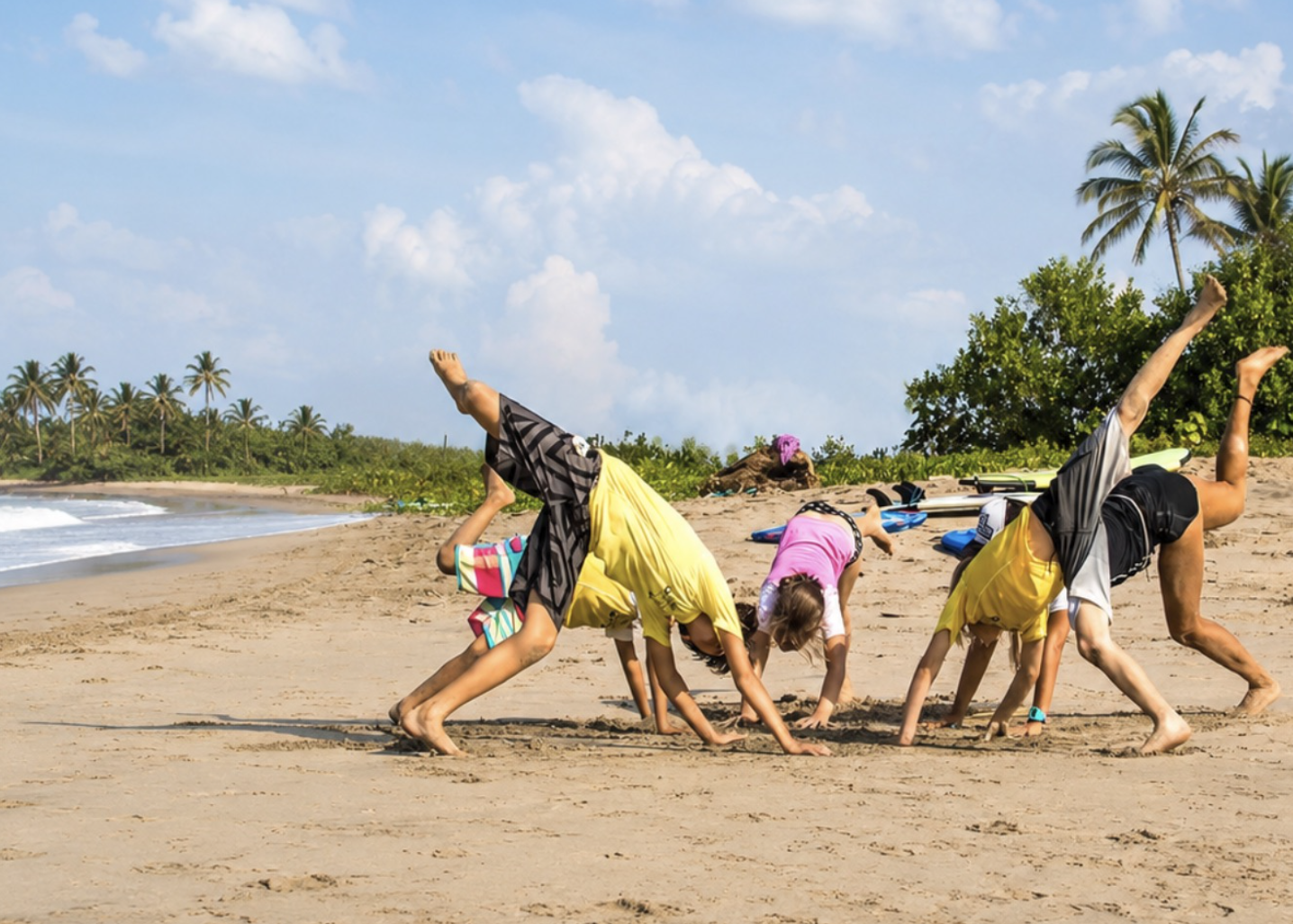
Learning comes alive through surfing, kayaking, dance, acro-yoga, wildlife observation, and visits with veterinarians, healthcare professionals, and wildlife rehabilitation experts. Rather than simply memorizing anatomy, students experience how muscles contract, joints move, lungs expand, and bodies adapt to different environments — while also developing practical knowledge for caring for their own bodies through nutrition, movement, sleep, hydration, injury prevention, and mental wellness.
-
Over our five-week learning adventure, we'll connect comparative anatomy, movement science, scientific illustration, and health & wellness with Costa Rica's extraordinary biodiversity to ignite curiosity and wonder.
-
Each student creates an Illustrated Comparative Anatomy Atlas — combining scientific illustrations, watercolor paintings, field observations, comparative animal studies, and personal movement reflections into a beautifully organized scientific journal documenting their discoveries throughout Costa Rica. Because the atlas is developed across the full five weeks, drawing and painting become daily scientific tools rather than occasional art projects. No previous artistic experience is necessary — students need only enjoy drawing and be excited to use illustration to explore and communicate scientific ideas. The program closes with a final student showcase where families explore the Atlases and celebrate the learning journey.
-
Immersive, place-based learning program for a maximum of 12 students, designed and taught by US-credentialed educator Lisé Whitfield.
Classes Monday through Thursday, 9:00/10:00 AM (depending on math group) to 3:00 PM, for five weeks.
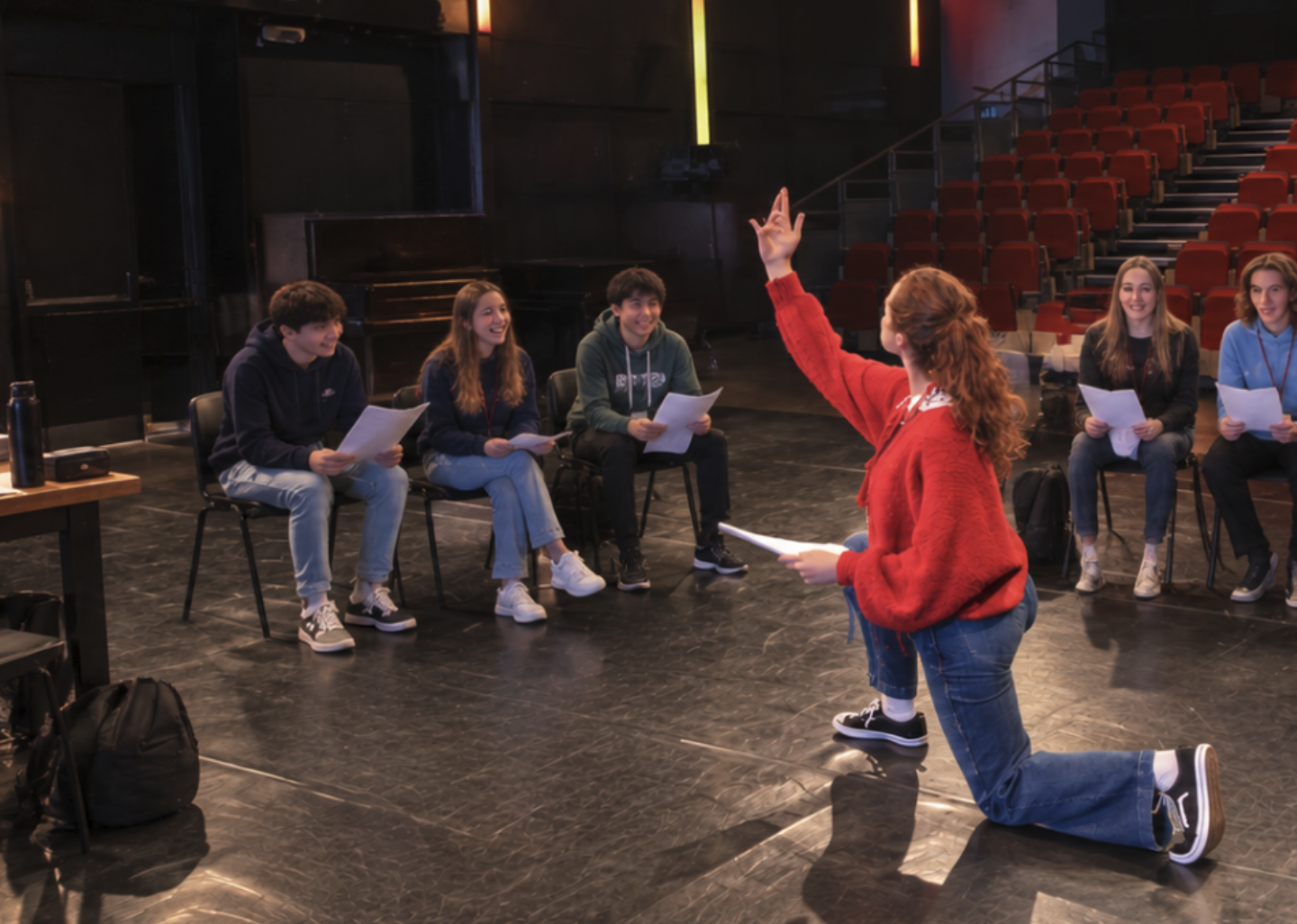
Two classroom-based days per week exploring human anatomy, comparative anatomy, scientific illustration, and health science.
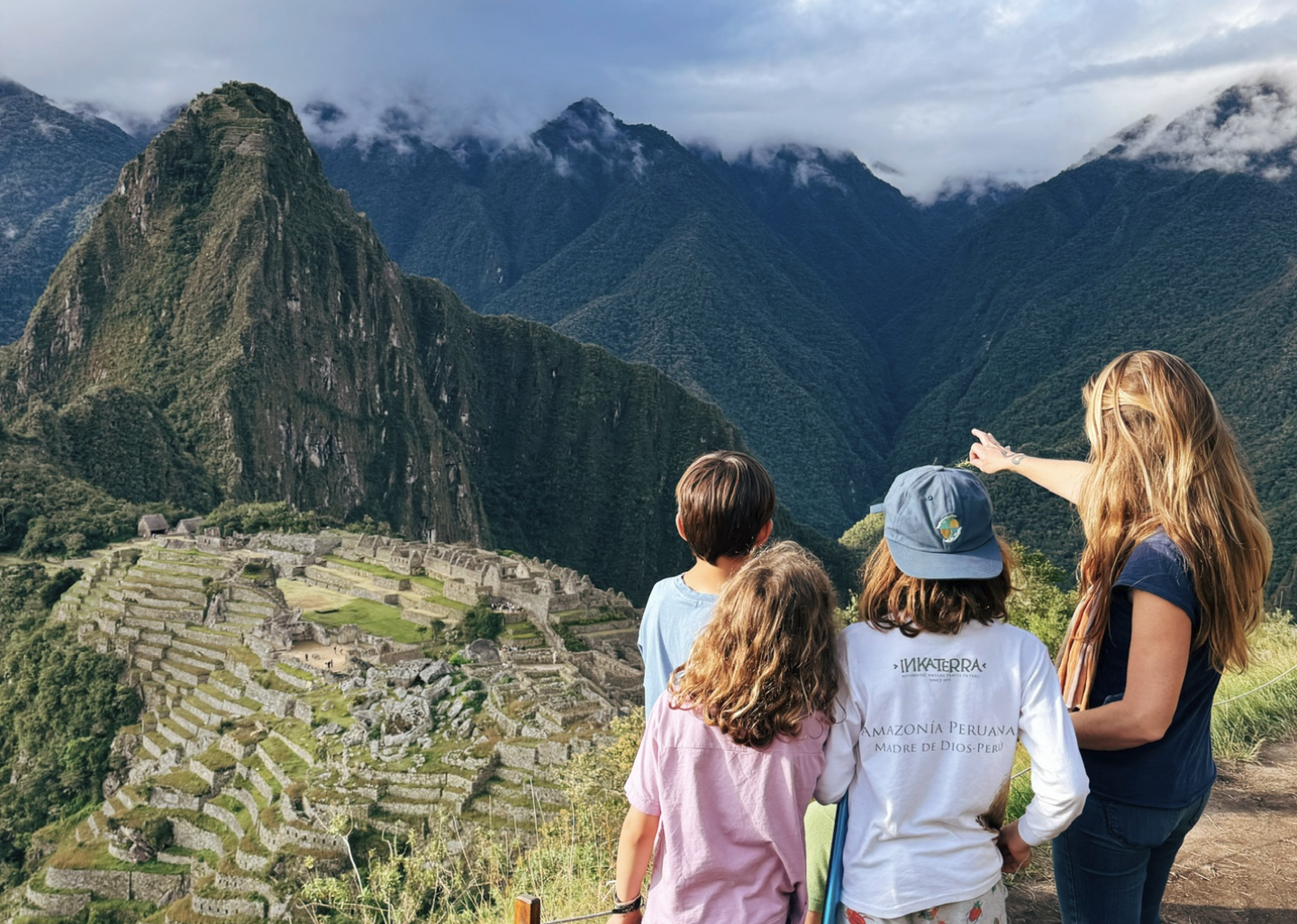
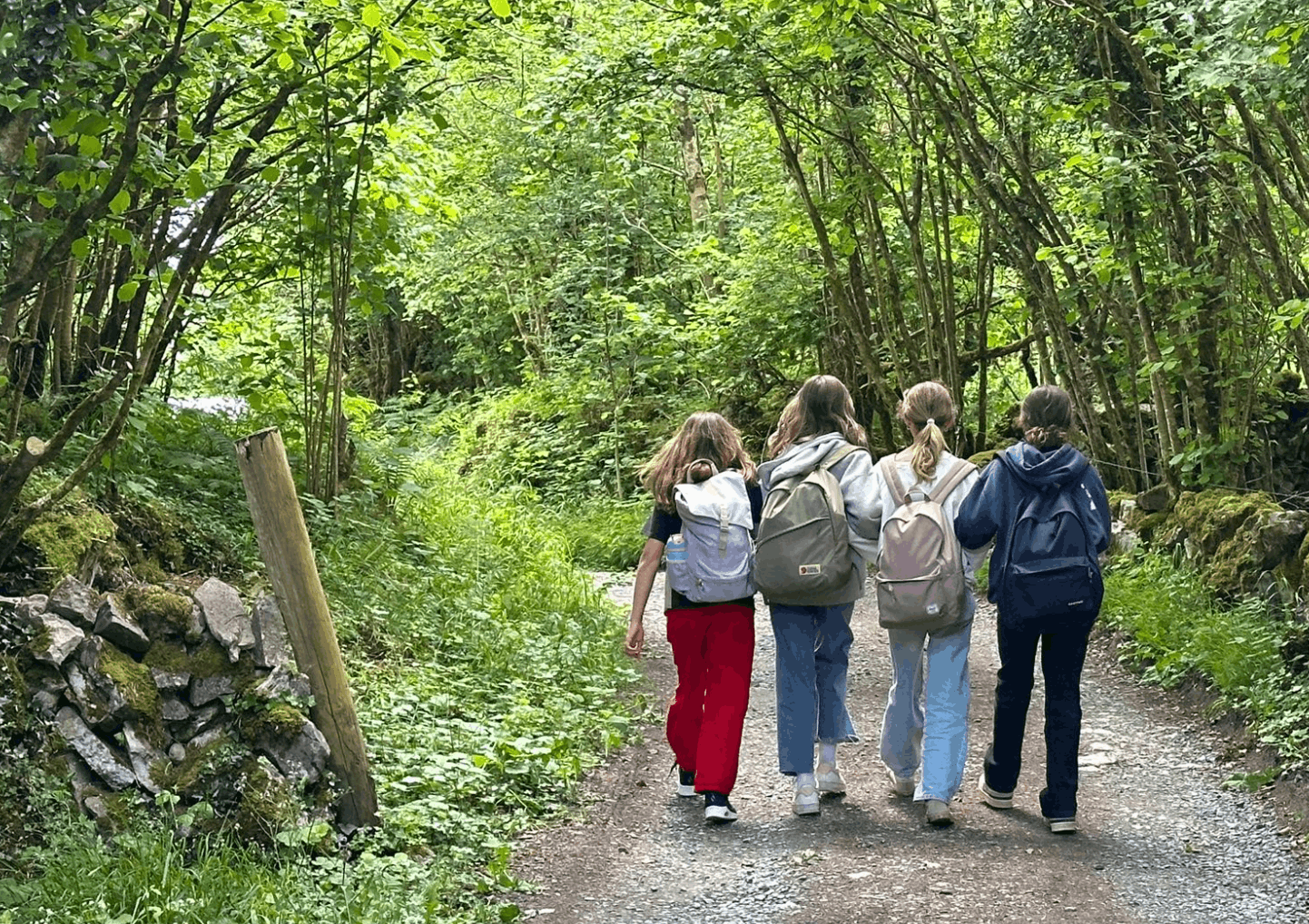
Two field-learning days per week: wildlife observation, movement experiences, and visits with veterinarians, healthcare professionals, and wildlife rehabilitation centers.
Movement workshops led by local instructors — surfing, kayaking, dance, acro-yoga, and other embodied learning.
Approximately 2 hours of small-group math tutorials and 2 hours of conversational Spanish instruction each week.
An Illustrated Comparative Anatomy Atlas created by each student, and a final family showcase.
-
Accommodations — families arrange and book their own lodging.
Flights — international and domestic flights are not included.
Meals — students bring a packed lunch, snacks, and a water bottle each program day.
Local transportation — including a rental vehicle with high ground clearance (preferably 4WD), which is strongly recommended for field-learning days.
Field excursion costs for accompanying parents — entrance or activity fees for adults who join field days are not included in tuition.
FAQs ABOUT THE ANATOMY ADVENTURERS LEARNING ADVENTURE
-
Curious learners aged 9–14 who are fascinated by anatomy, animals, health, and the natural world, and who enjoy hands-on, science-based learning.
-
Our classroom is located at La Salita by CAMPO in Nosara, Costa Rica. Classes meet Monday through Thursday, from 9:00 or 10:00 AM (depending on each student's math tutorial group) until 3:00 PM, for five weeks. Two days each week are classroom-based and two are field-based.
-
We recommend staying near either Playa Pelada or Playa Guiones, as both are within a comfortable walking distance of our classroom at La Salita by CAMPO. January and February are peak travel season in Nosara and lodging fills quickly, so please reserve as early as possible.
-
Families arrange and book their own accommodations. Once enrolled, you'll be able to connect with other participating families through our private WhatsApp group to share recommendations and tips.
-
Classes meet Monday through Thursday, from 9:00 or 10:00 AM (depending on each student's math tutorial group) until 3:00 PM, for five weeks.
-
A rental vehicle with high ground clearance (preferably 4WD) is highly recommended, as several field-learning sites are accessed via unpaved roads. If you stay near Playa Pelada or Playa Guiones you'll be within walking distance of the classroom, but a vehicle is needed for field days. Some excursions involve a significant drive — for example, the Macaw Recovery Network is about 1.5 hours each way. Families are responsible for all transportation, and we help coordinate carpools through our private WhatsApp group.
-
No. Students should bring a packed lunch, snacks, and a water bottle each program day unless otherwise noted.
-
The official language of Costa Rica is Spanish. In Nosara, a well-known coastal town, English is also widely understood. Students receive approximately two hours of conversational Spanish instruction each week with a local instructor.
-
This program does not include a formal certification. Instead, each student completes an Illustrated Comparative Anatomy Atlas — a scientific journal of their illustrations, field observations, and discoveries — which is celebrated at a final family showcase.
-
Each day, students should bring a packed lunch, snacks, and a water bottle. For field and movement days we also recommend sun protection (hat and reef-safe sunscreen), appropriate footwear, and swimwear and a towel for water-based activities such as surfing and kayaking.
-
Parents are welcome to join many field-learning days. Please note that any entrance fees or activity costs for accompanying adults are not included in tuition.
We have answered the most commonly asked questions about our Learning Adventures. You can take a look at them here.